As an Art teacher, I think one of the obvious questions surrounding AI is whether it will eventually replace parts of Art and Design. If AI can generate convincing images, imitate styles and manipulate existing work with very little prompting, do students still need to draw, paint and physically make?
For me, the answer is still yes.
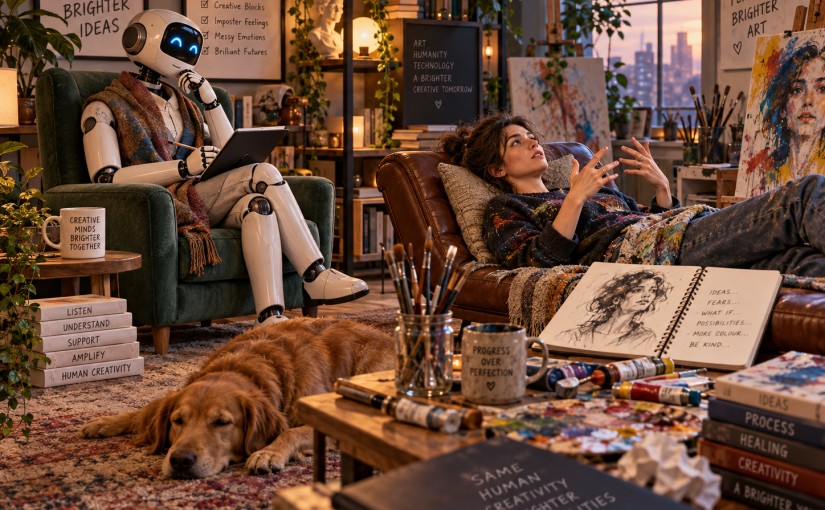
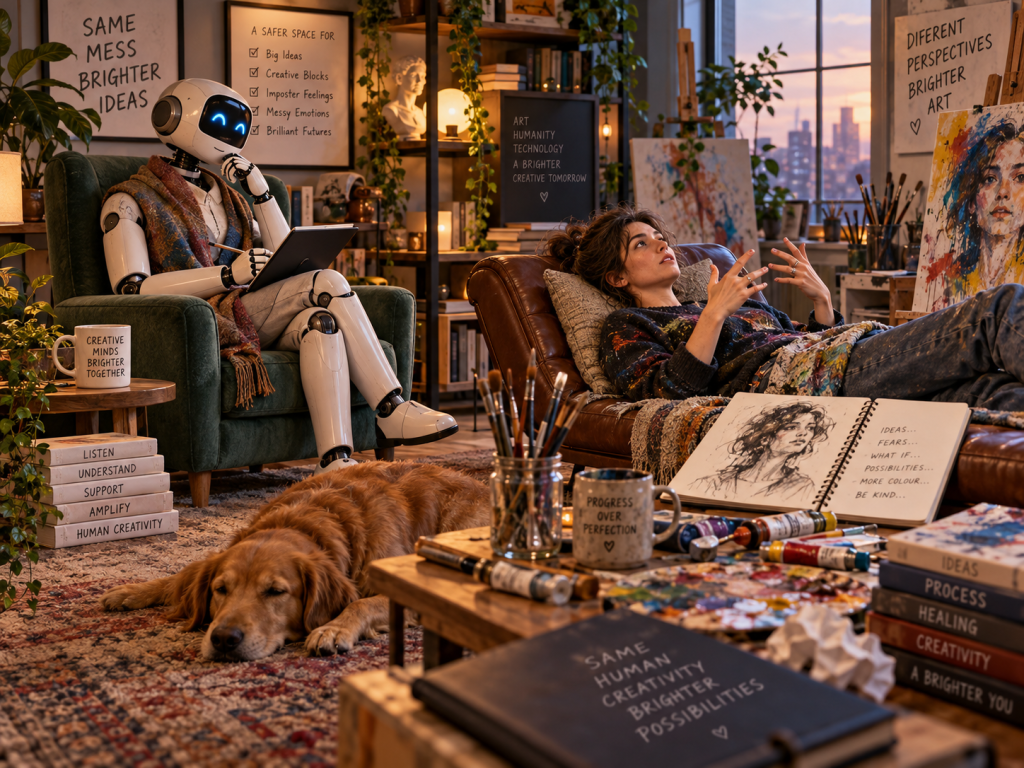
Where I find AI interesting is not in creating the final artwork, but in helping students reflect, refine and iterate.
Imagine an IB Visual Arts student who has spent weeks developing a painting but lacks confidence in what to do next. Sometimes students become frightened of ruining what they have already created. AI can give them a temporary glimpse of possibility: What if the composition changed? What if the background became darker? What if the scale or colour changed?
The AI version is not the artwork. It is simply a visual thinking tool that can help a student decide what they might want to try themselves.
I have also found this useful with younger students who are reluctant to draw. Sometimes they look at a half-finished piece and immediately decide, “I can’t do this.” Showing them what their own drawing could become with more time and development can help them see potential in what they have already started.
I certainly wouldn’t use AI in every lesson. There are important questions around originality, over-reliance and students avoiding the struggle that is part of learning to make art.
But when a student is stuck, lacks confidence or is afraid to take a creative risk, I think AI can be a powerful tool — not to make the artwork for them, but to help them see possibilities in their own work.
How are other Art and Design teachers using AI in the classroom?
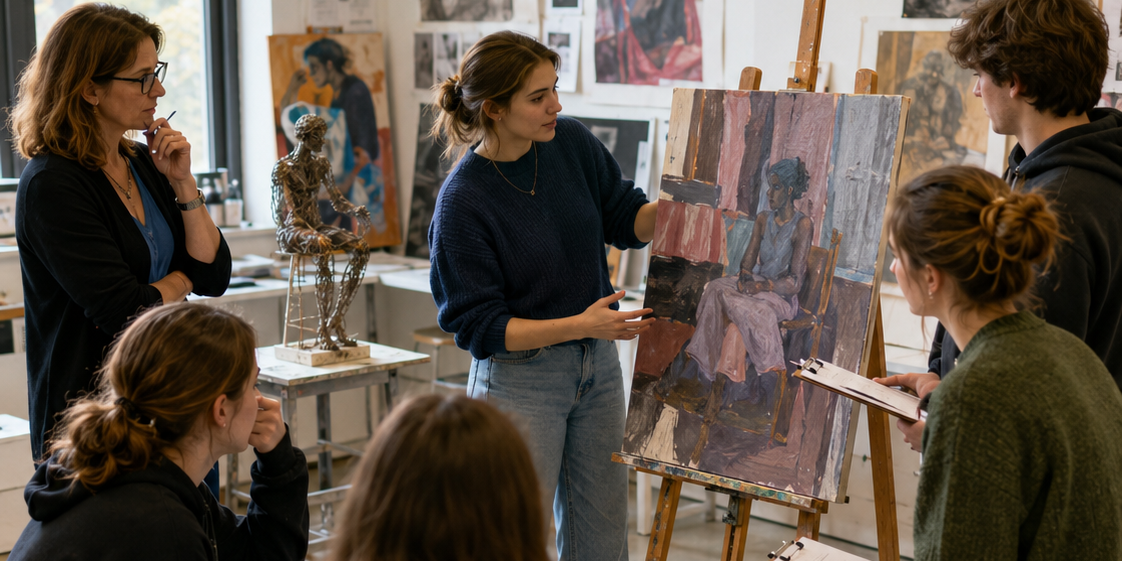
When I was an art student, I loved critique sessions. There was something exciting about putting work in front of other artists and hearing what they genuinely noticed, questioned or responded to.
Now, teaching A-level and IB Visual Arts, I think critique is one of the most important habits we can develop with students — particularly in the second year, when time suddenly becomes very precious.
In my classroom, we have a regular critique towards the end of the week.
Students bring either a finished artwork or something currently in development. But they also need to bring a question.
What are you trying to communicate? What are you unsure about? Is the intention coming through? Does this material, composition or process actually support the idea?
That changes critique from “Do you like my artwork?” into a much more useful conversation.
Students also need the vocabulary to participate. If they don’t yet know how to discuss artwork, we can’t simply expect them to magically become good critics. I use prompts around formal elements, intention, materials, composition and viewer response to help build that language.
One thing that has completely changed this process for me is recording the critique using Voice Memos.
Not because I particularly want to listen to an hour-long recording again — but because I want the transcript.
Afterwards, I can take that transcript into ChatGPT and organise the discussion into clear feedback:
What people noticed
Questions that were raised
What appears to be working
What is unclear
Most importantly: next steps
Suddenly, a conversation that could easily disappear at the end of the lesson becomes evidence of development.
Students can add the notes to their sketchbook or IB inquiry documentation, photograph the artwork as it currently looks, and then return to it the following week.
For me, that is where critique becomes really valuable.
It also creates accountability.
Students know they need something to bring to the conversation. They know their intentions may be questioned. They know that next week we will look again and ask: What changed?
Because these courses aren’t ten years long.
Time matters.
And sometimes one of the most useful things we can teach young artists is not simply how to make work — but how to talk about it, listen to others, question it and then act on what they discover.
Student agency is something we talk about frequently in education, but in Visual Art it can be more complicated than simply allowing students to choose their own subject matter or materials.
For some students, Art is an intimidating subject. They arrive with a firmly established belief that they are either good at art or they are not. They compare their work with other students’ work, worry about drawing something incorrectly, and can become so focused on what the finished artwork will look like that experimentation begins to feel risky.
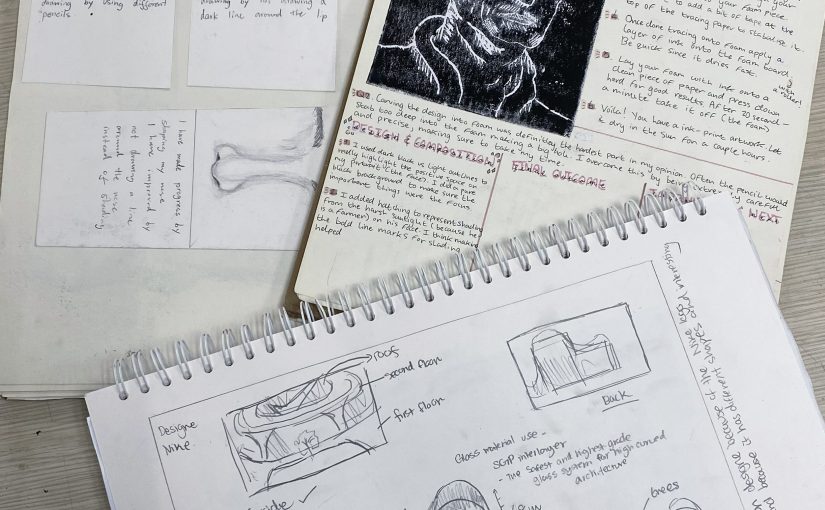
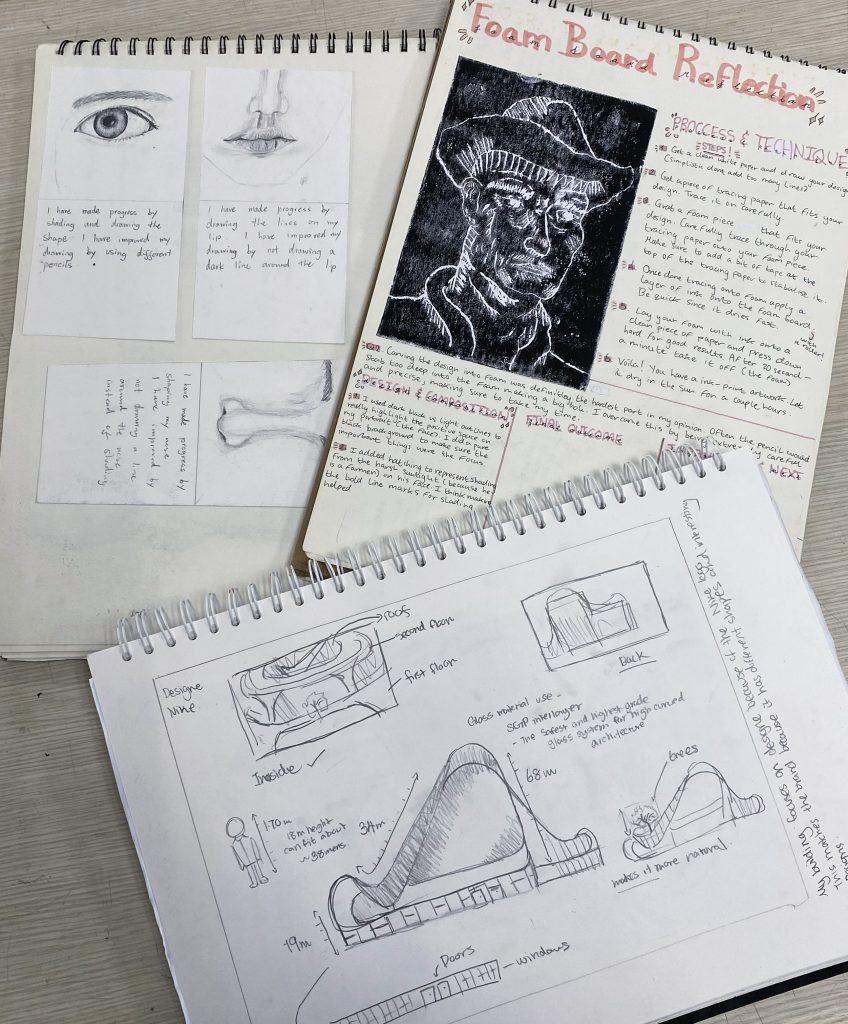
This is why I increasingly see the sketchbook as one of the most important places for developing student agency.
A sketchbook should gradually become the student’s space, rather than simply a book created to complete teacher-directed tasks.
Of course, students need structure. They need to learn how to research, document processes, organise information, investigate artists and communicate their intentions. Developing those organisational skills is an important part of learning how to work independently.
But within that structure, there should gradually be more room for ownership.
Students can begin deciding how to organise a page, which images are important, what they want to investigate further, how to annotate their thinking, and which experiments deserve another attempt. Their own photographs, drawings, observations, language, cultural references, memories and unfinished thoughts can begin to enter the sketchbook.
When this happens, something interesting begins to change.
The sketchbook becomes less about producing a sequence of perfect pages and more about making thinking visible.
And that means there has to be room for mistakes.
Art education can sometimes unintentionally reinforce the idea that success is represented by a beautiful final artwork. Yet much of the most valuable learning happens long before the resolved piece appears.
A drawing might fail.
A composition might feel awkward.
A material may not behave as expected.
An idea might need to be abandoned completely.
Rather than removing these moments from the sketchbook, students can learn to document them, reflect on them and recognise how they influenced the next decision.
For a student who doesn’t initially see themselves as artistic, this can be particularly powerful. The pressure to continually prove that they can make a successful artwork begins to lessen. Instead of judging themselves by a single finished outcome, they can look back through their sketchbook and see physical evidence of progress.
A hesitant drawing develops into a more confident one.
A simple idea becomes more complex.
A failed experiment leads to another experiment.
An artist reference sparks an unexpected direction.
Gradually, students start to recognise that progress in Art does not necessarily mean becoming perfect. It means becoming more observant, more curious, more willing to experiment and increasingly able to make and explain their own creative decisions.
Perhaps one of the clearest signs of agency is when students stop constantly asking:
“Is this right?”
and begin asking:
“What if I tried this?”
Their sketchbooks start looking less like one another. Their individual voices become clearer. They revisit earlier ideas, make connections independently and become more comfortable changing direction.
For me, this is an important part of what student agency can look like in Visual Art.
It isn’t simply freedom or choice.
It provides students with enough structure to develop confidence, then gradually allows them to take responsibility for the creative process.
The finished artwork still matters.
But increasingly, students understand that it is only one part of a much bigger journey — one that includes questioning, experimenting, organising, reflecting, making mistakes and trying again.
The goal is not simply for students to make better artwork. It is for them to begin seeing themselves as people capable of having ideas, making creative decisions and owning the process that gets them there.
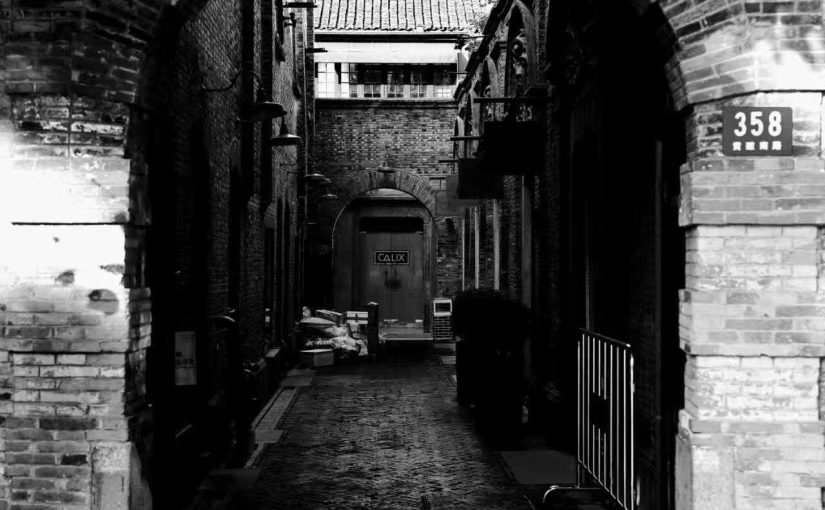
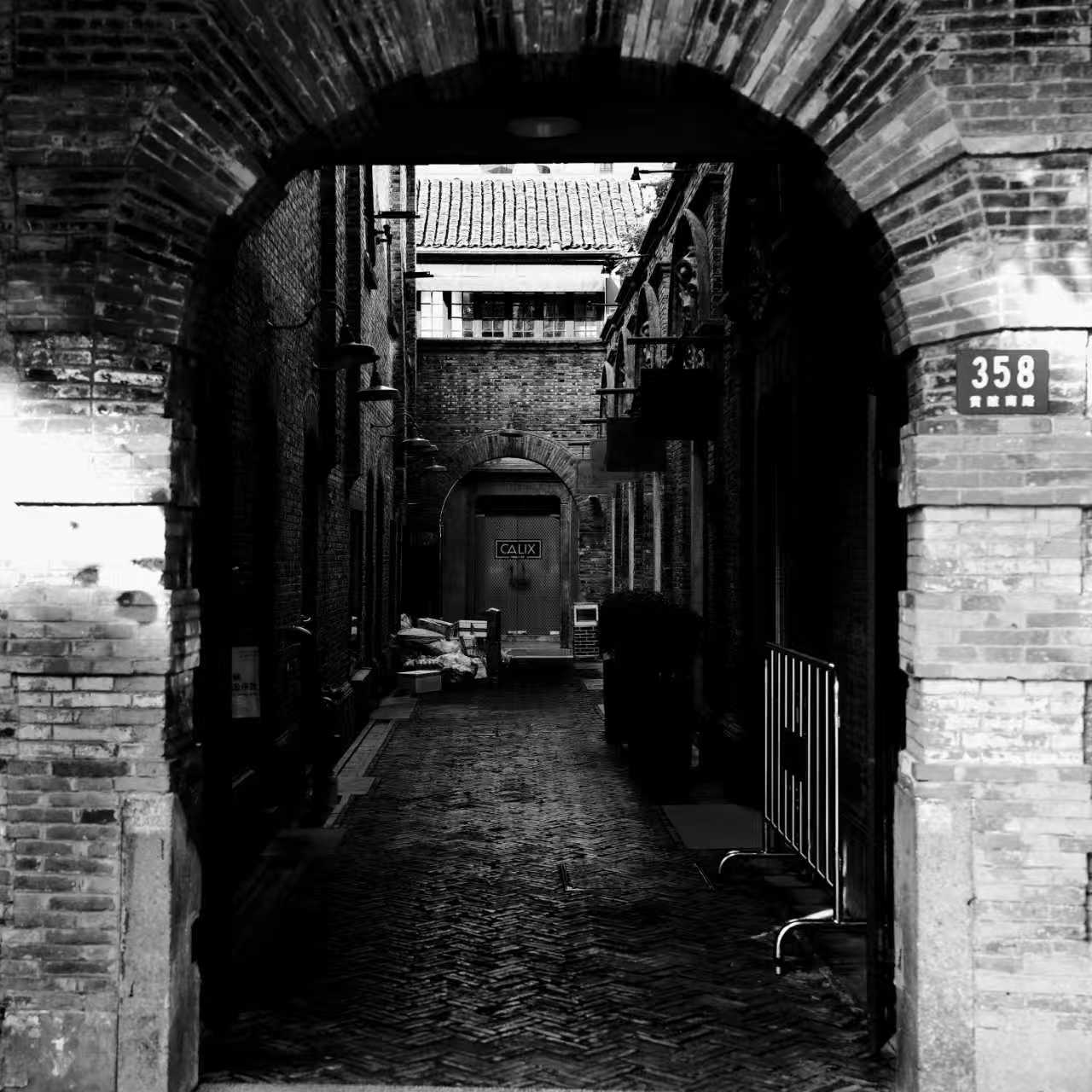
The Shelter, 2026, Size: 60cm x 40cm, Material: Digital-manipulated photograph using Lightroom, printed onto PP synthetic paper with a matte finish, mounted on PVC foam board. Intention: During a stressful semester, I passed this brick archway daily. I transformed it into a high-contrast black-and-white image with heavy grain, removing warmth to turn a familiar shelter into a cold, isolating space. Deep shadows and rough textures reflect how anxiety followed me, showing that spaces meant for safety can become cages that trap us.
One of the key differences I have noticed between A-level Art and IB Visual Arts is the students’ starting points.
A-level Art often follows naturally from GCSE or IGCSE Art, with students already having developed practical skills, confidence and an understanding of the creative process. In IB Visual Arts, however, students may begin the course with little or no previous art experience.
This can feel daunting for both the student and the teacher. How do you guide someone from limited technical ability towards a meaningful exhibition and the grades they need for university?
Over the past two years, I have increasingly focused on accessible media that allow students to communicate ideas without relying heavily on traditional drawing skills. Printmaking can provide a clear and supportive process, but photography has become especially valuable within my teaching.
Photography can communicate identity, emotion, memory and personal experience in a direct and powerful way. It helps students understand that successful art is not simply about producing something conventionally beautiful. It is about intention, experimentation and meaningful expression.
I am proud to share photographs from a student who began IB Visual Arts with no previous art experience and completed the course with a grade 5 and a deeply personal photography-based exhibition.
Their success came through trust, careful guidance, consistent effort and a willingness to follow the creative journey.
IB Visual Arts can be challenging, but it can also give students permission to become artists—even when they do not yet see themselves that way.
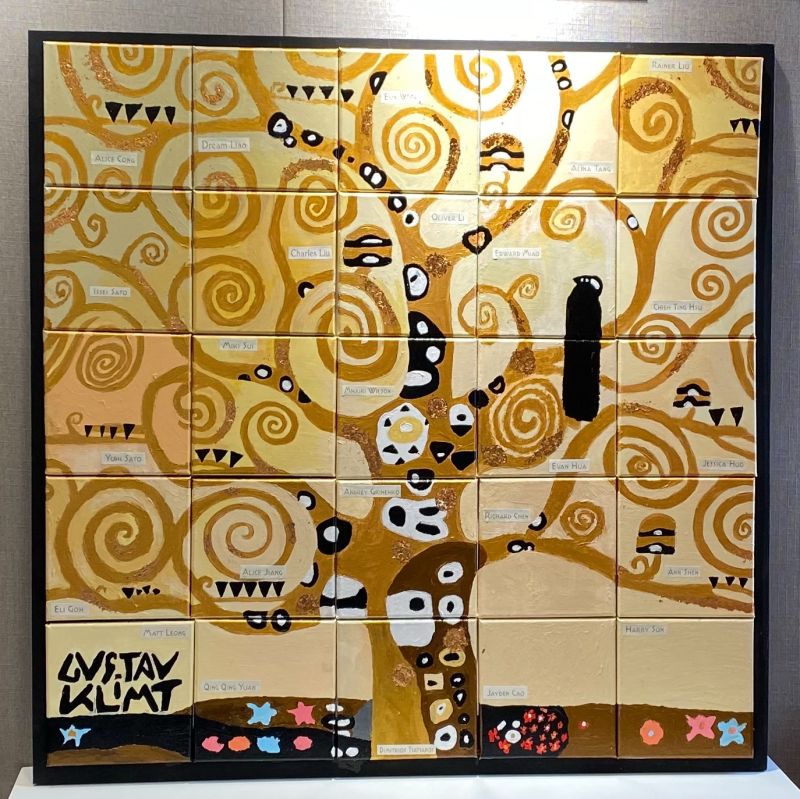
Art collaborations can be challenging and even stressful at times, but they also have a way of delivering unexpected and rewarding results.
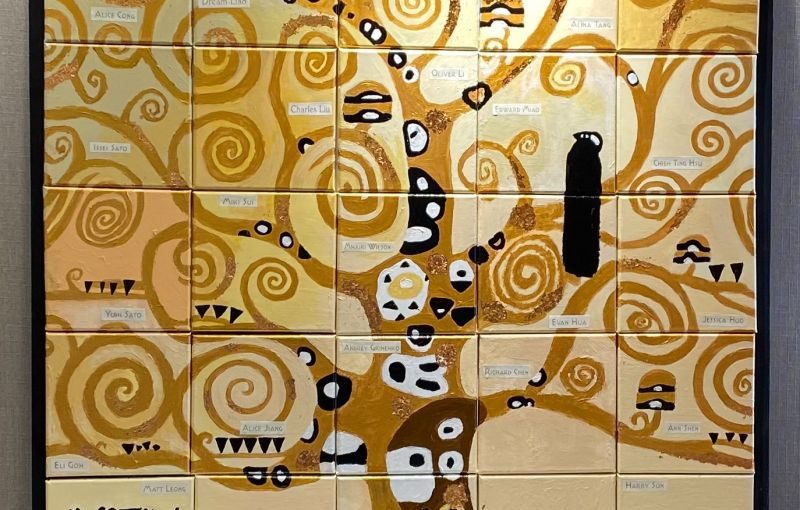
I’m especially proud of this one: a hand-drawn interpretation of Klimt’s Tree of Life — with no tracing paper involved. Every line was drawn by hand, honoring the original while creating something completely unique.
Sometimes, the most meaningful work comes from embracing the process, not just the outcome.
Term 3 in Art is always a challenging one — a mixture of goodbyes, final deadlines, and the rush to complete projects around the many unexpected events that suddenly appear in the school calendar.
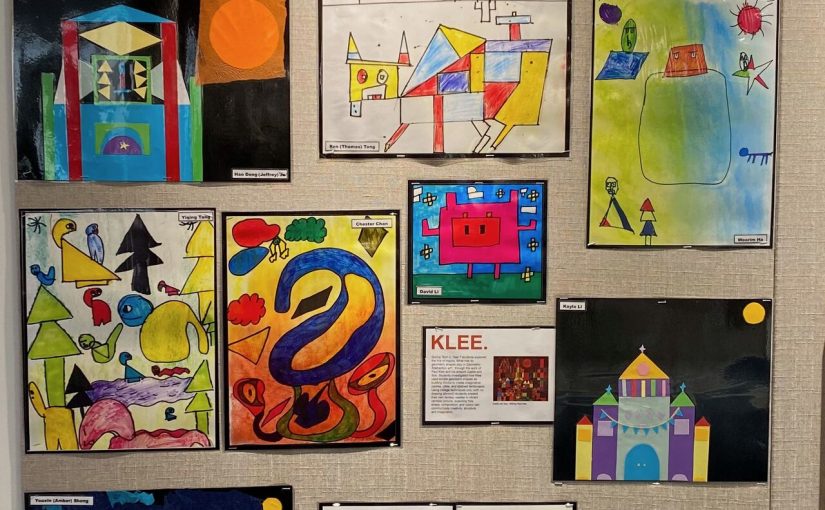
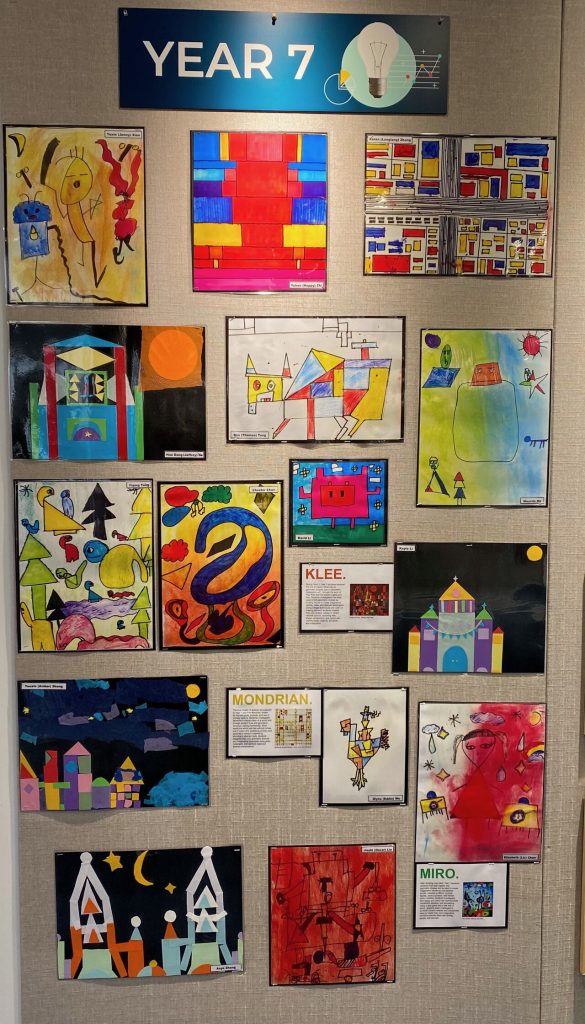
Despite the chaos, it’s nice to finally update some display boards and celebrate the fantastic work created by Year 7 during their Geometric Abstract Art unit in Term 2. The outcomes are vibrant, colourful, and full of energy — a great reminder of the creativity students can achieve when they fully engage with the process.
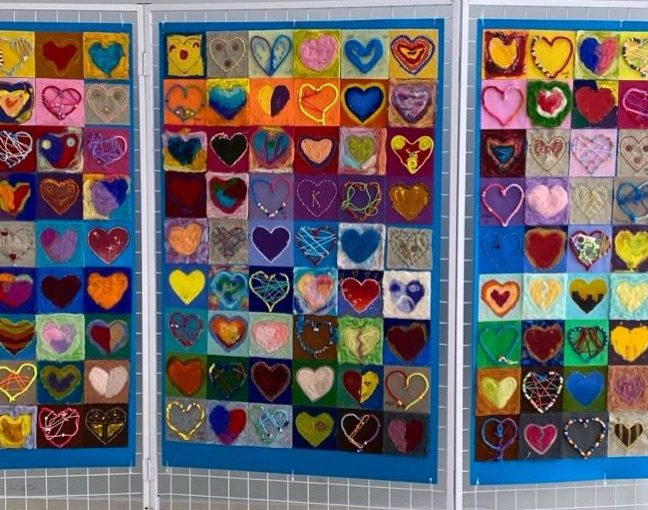
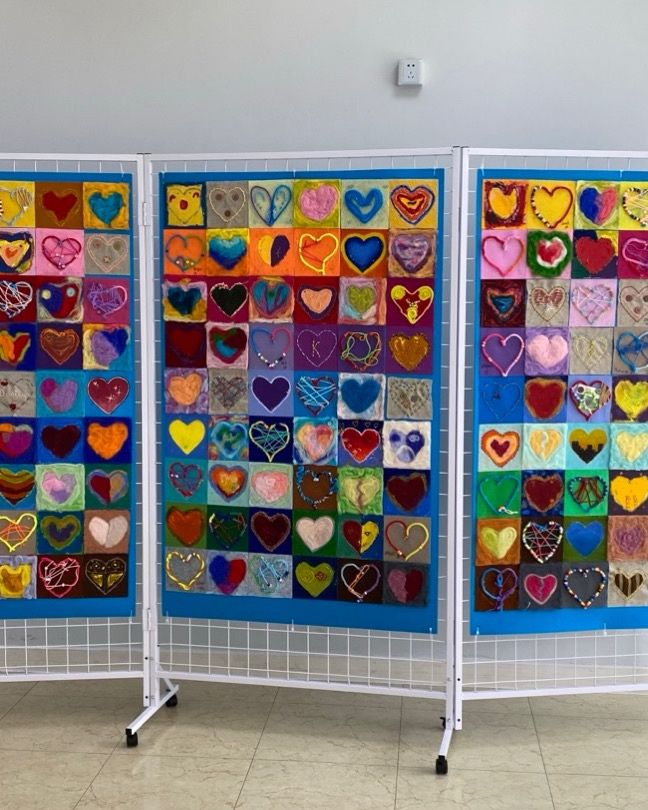
“True collaboration is shown, not told. ‘Our School Has Heart’ unites every student (Y1-Y12) to create one vision from many hands. Using simple materials—pipecleaners, felting, 3D paint—we built a culture where every texture and perspective adds strength.
Leadership is about creating the framework, then trusting the collective genius.
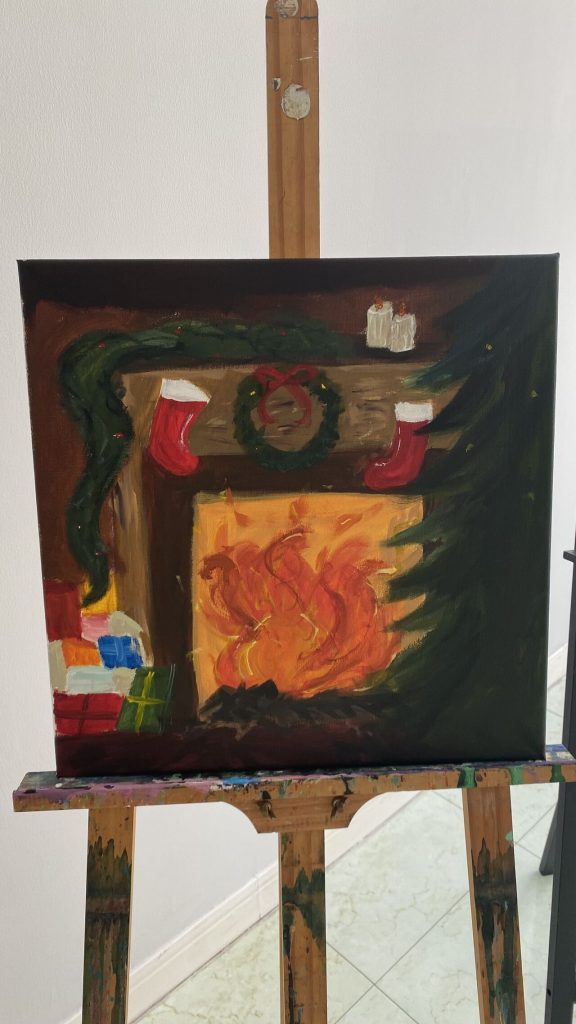
Some incredible Year 9 artwork finished just in time for our Christmas Fair! This year, we’re hosting a silent auction to raise funds for a local charity — and honestly, I could happily take every piece home myself.
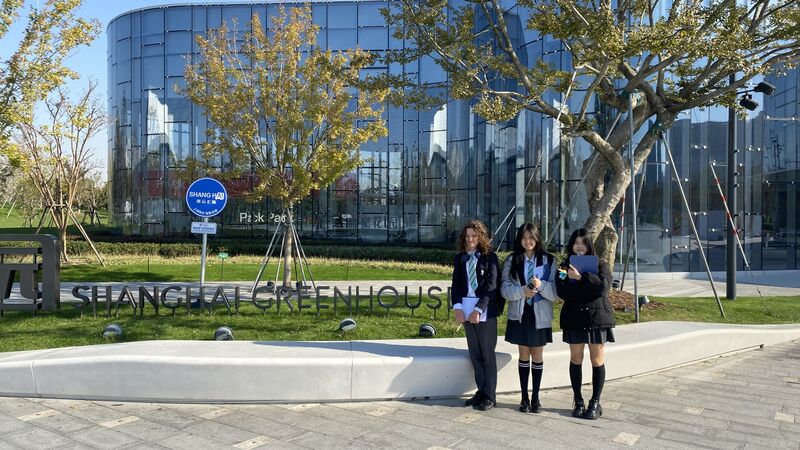
Exploring resources for Year 1 IG Art and Design is much more than just an academic task—it’s an inspiring day out at the stunning Shanghai Greenhouse. This vibrant setting not only fuels creativity but also offers a refreshing change of scenery that can spark new ideas. There’s nothing like merging art, nature, and learning into one beautiful experience!
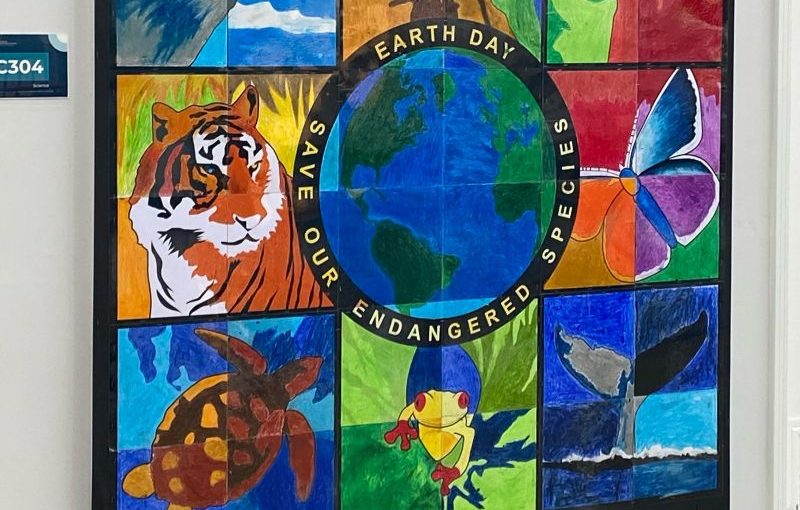
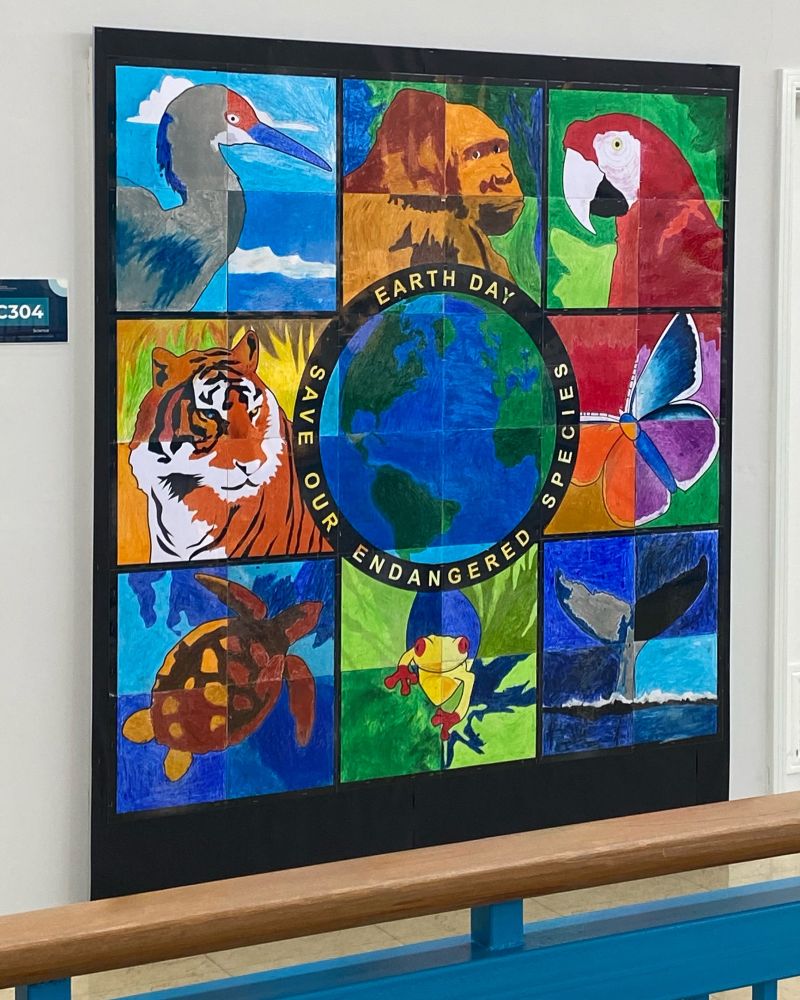
Art can do more than express ideas — it can also raise awareness and bring people together. In a recent community project, students used oil pastels and collaborative art-making to communicate an important message, combining individual contributions into one powerful shared outcome.